December 2021

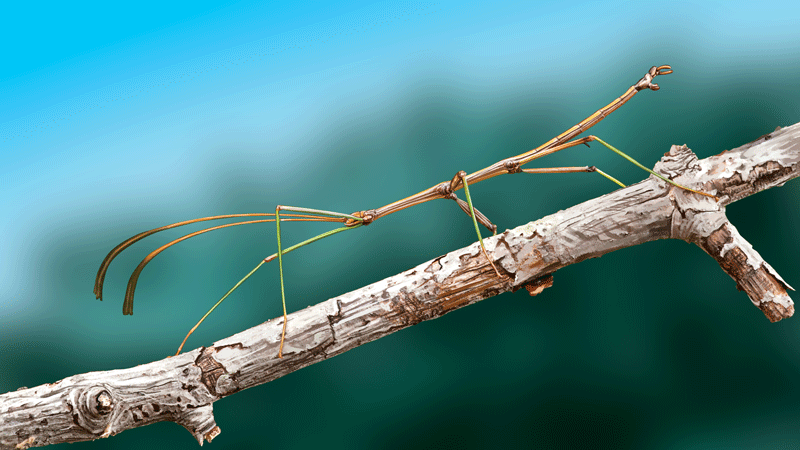
Why are stick insects so successful at camouflage?

Stick insects look like twigs of sticks and are practically invisible from almost anywhere. They are herbivorous and spend their life on trees where they also get their food. Their brown, thin-shaped bodies make them invisible to their enemies. They can also be green in colour. They tend to freeze when threatened and may even […]

Why are stick insects so successful at camouflage? Read More »
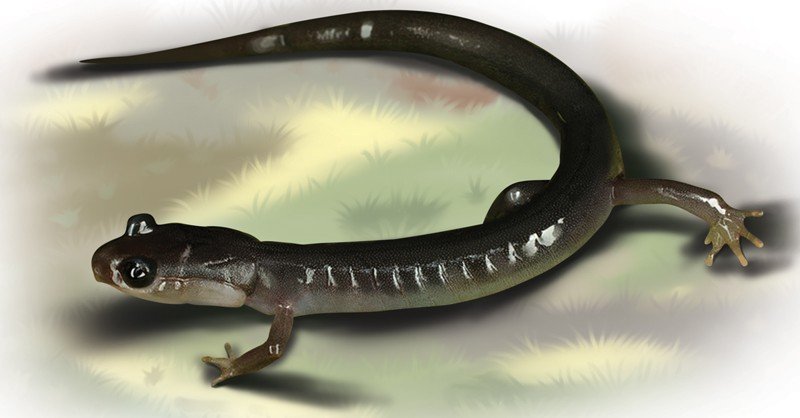
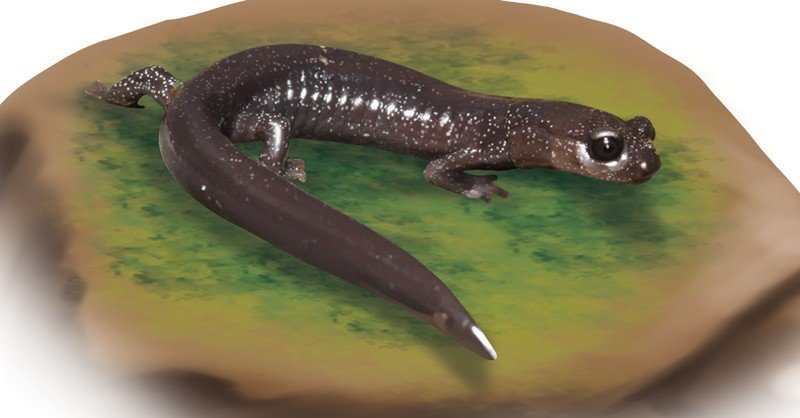
South-Mountain-Grey-cheeked-Salamander

South Mountain Grey-cheeked Salamander

Scientific name : Plethodon meridianus Family : Plethodontidae Native to : North Carolina, United States Interesting fact : They belong to the family of lungless salamanders that breathe through their moist skins. Conservation status : Vulnerable Named after its geographical location, the South mountain grey-cheeked salamander is dark grey with light grey cheek patches. They

South Mountain Grey-cheeked Salamander Read More »

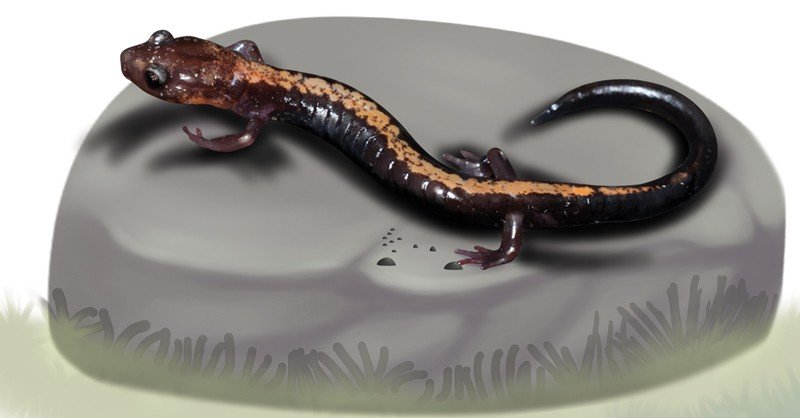
Siskiyou-Mountains-Salamander

Siskiyou Mountains Salamander

Scientific name : Plethodon stormi Family : Plethodontidae Native to : California and Oregon, United States Conservation status : Endangered Named after its geographical location, the siskiyou mountains salamander is brown to purplish and speckled in white. They respire through their moist and slimy skins, being lungless. Rocky forests and a cool, moist rainy climate

Siskiyou Mountains Salamander Read More »

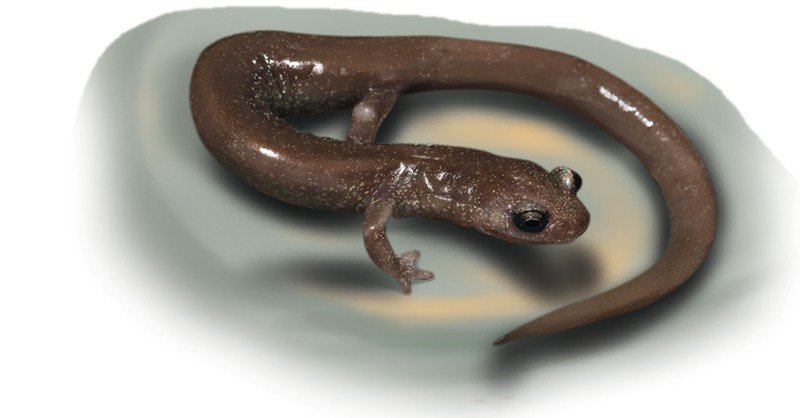
Scott-Bar-Salamander

Scott Bar Salamander

Scientific name : Plethodon asupak Family : Plethodontidae Native to : United States Interesting fact : Its common name is derived from its geographical location, the Scott river. Conservation status : Vulnerable Scott Bar salamanders are brown with bronze stripes running down their entire length. These lungless salamanders respire through their moist skins. They inhabit

Scott Bar Salamander Read More »

Shopping Cart