Albert Einstein | Great Humans Who Changed The World
Albert Einstein | Great Humans Who Changed The World Read More »

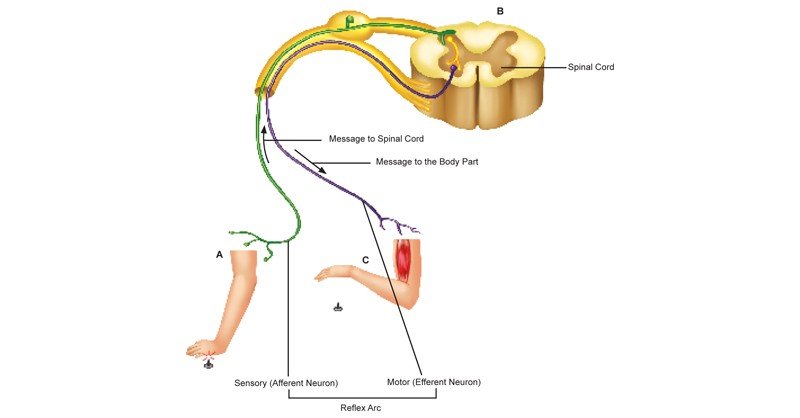
What is reflex action? We can understand it simply with this question. What happens when we accidently place our hand on a pin? Answer: We move away our hand instantly. This action, that our body performs automatically when there is an emergency is known as reflex action. It occurs quickly and unconsciously. In a reflex
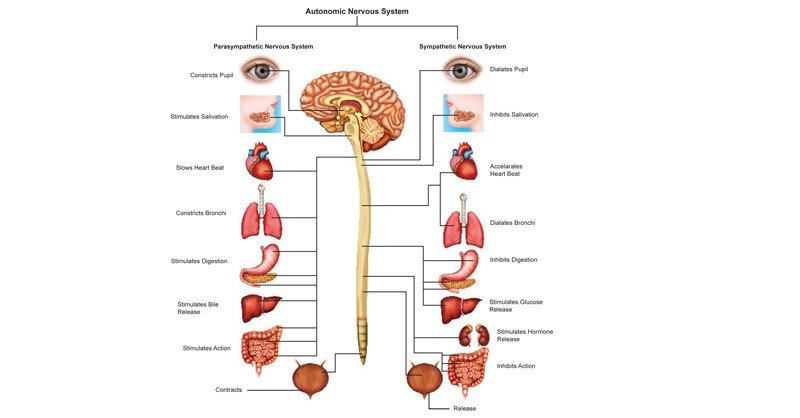
Autonomic System This part of the peripheral nervous system controls the involuntary movements in the body, such as–controlling and coordinating smooth and cardiac muscle functions, and the endocrine glands. This system is further divided into the sympathetic and the parasympathetic nervous system. These two sub-divisions of autonomic system work in opposition to each other to
Autonomic Nervous System (Parasympathetic Sympathetic Nervous System) Read More »
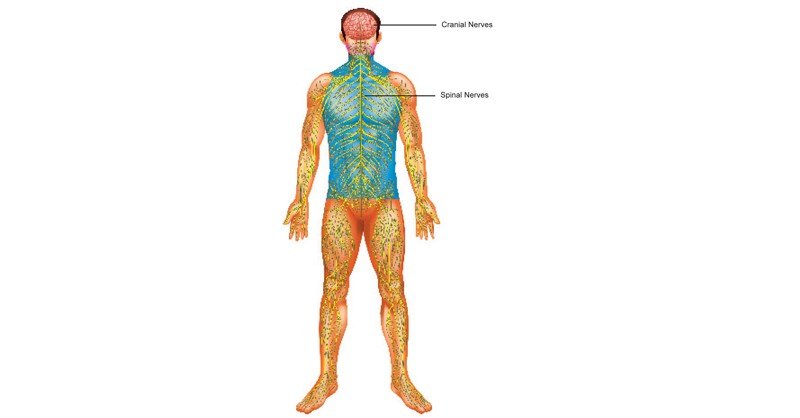
Spinal Nerves The spinal nerves are part of the peripheral nervous system. These nerves arise directly from the spinal cord. There are 31 pairs of spinal nerves in the peripheral nervous system. The major function of these nerves is to exchange sensory, motor and autonomic signals between the spinal cord and the body. Cranial Nerves

The part of the peripheral nervous system that sends motor impulses to skeletal muscles is the somatic nervous system. The sensory neurons (afferent neuron) and the motor neurons (efferent neuron) are the part of this nervous system. The main function of somatic nervous system is to exchange impulses between the central nervous system and organs,

The peripheral nervous system (PNS) is the part of the nervous system which includes the nerves and ganglia that are outside of the brain and spinal cord. It consists of 3 types of nerves: spinal nerves, cranial nerves and visceral nerves which are the connecting wires between CNS and sensory organs. The system is further
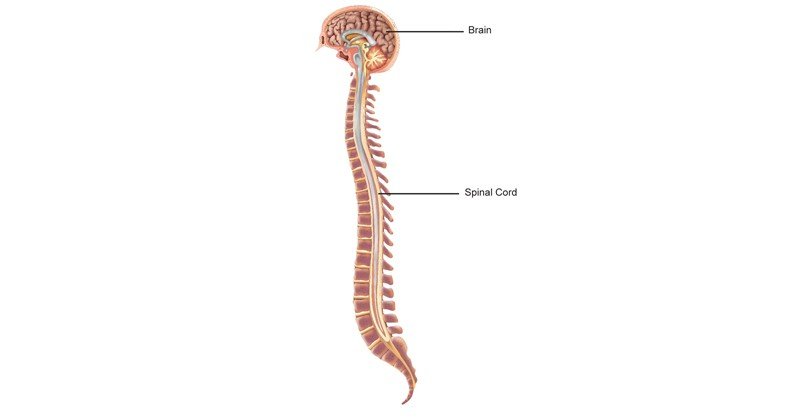
Central Nervous System The central nervous system is also called the cerebrospinal nervous system, where ‘cerebro’ refers to the brain and ‘spinal’ refers to the spinal cord. The brain and the spinal cord together weave a wide network of nerves that work day and night and keep the body functioning. The brain is said to

Brain-stem Brain-stem is a stem-like part of the brain that connects the cerebrum and the spinal cord. It usually includes the medulla oblongata, pons, and mid-brain. A pair of ten cranial nerves comes from the brain-stem. The parts of the brain-stem work together to control the movements in the body. Mid-brain The mid-brain is also
Brain-stem, Mid-brain, Hind-brain, Pons, Medulla Oblongata and Cerebellum Read More »
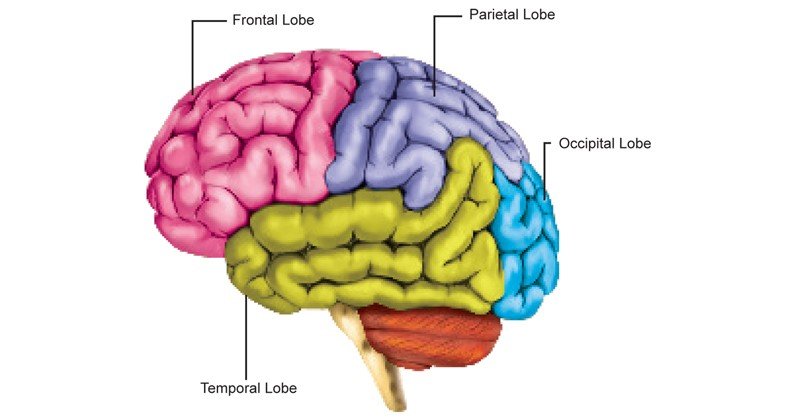
The cerebral hemisphere has several folds present on its surface. These folds are called cortex. These folds can be divided into four sections, called the lobes: the frontal lobe, parietal lobe, occipital lobe and temporal lobe. These lobes are the control centre of various functions. The frontal lobe controls thought and speech, the temporal lobe
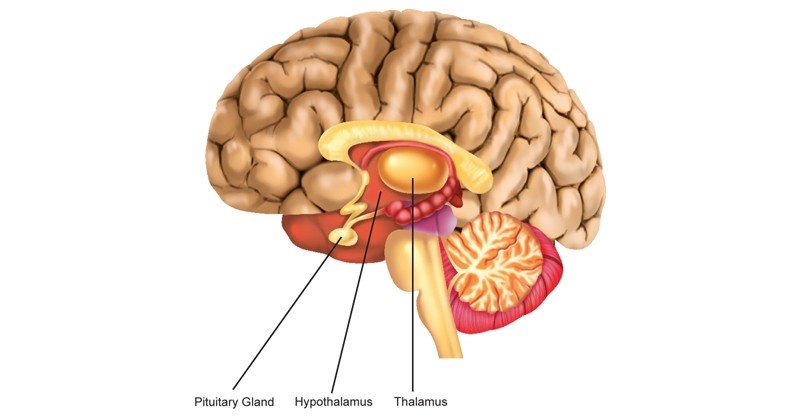
Thalamus The thalamus is a large dual lobe structural part of the brain which performs endocrine function. It is located between the cerebral cortex and mid-brain or at the top of the brain-stem. It performs an important function in our body. It receives the sensory impulses and relays them to the sensory centre of the