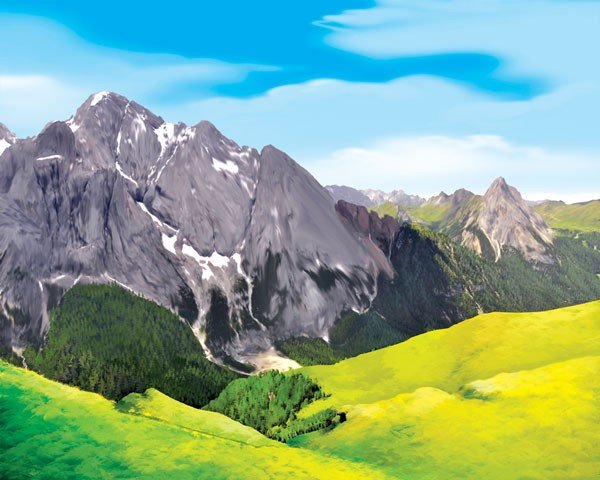
221 Facts About Earth

221 Facts About Earth221 Facts About Earth tells children about Earth’s beautiful resources, lives, waterfalls, Hills and many interesting and exciting facts.🌎📚
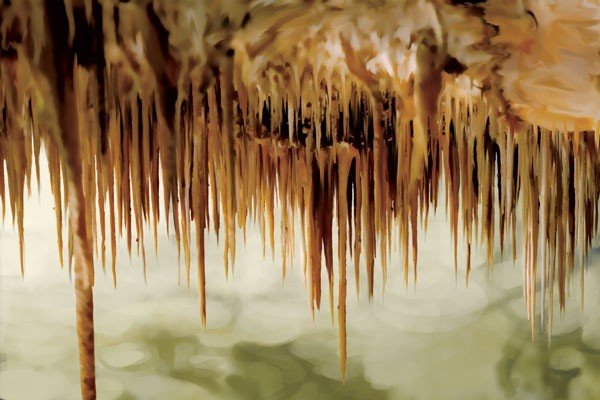
Caves

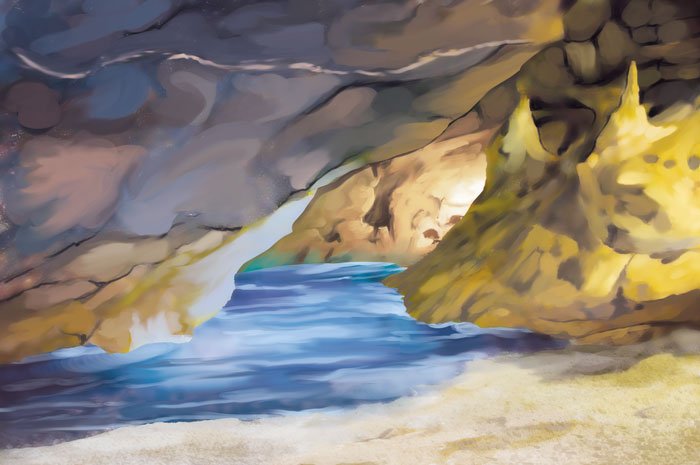
Caves are the underground enclosure with access from the surface of the ground or from the sea. They are the natural openings of the Earth. Caves are formed by two methods: ♦ Weathering of rocks; or ♦ Through water seepage under the ground: Water flows through the cracks present on the Earth’s surface, dissolving certain

Caves Read More »

Canyons

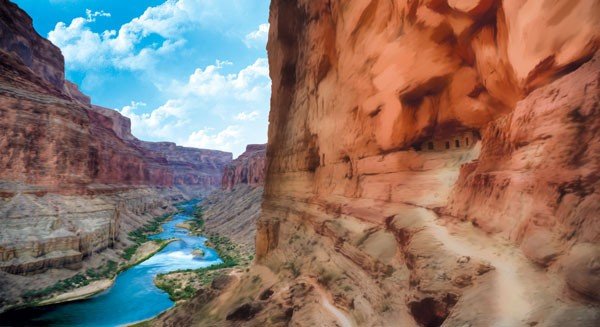
Canyons are deep V-shaped narrow valleys with steep sides and rocky boundaries. The word ‘Canyon’ is derived from the Spanish word cañon, which means tube or pipe. These are formed by the movement of rivers (river canyons), the process of weathering and erosion (weathering canyons), and tectonic activities underneath the Earth’s surface (submarine canyon).

Canyons Read More »

Steppe

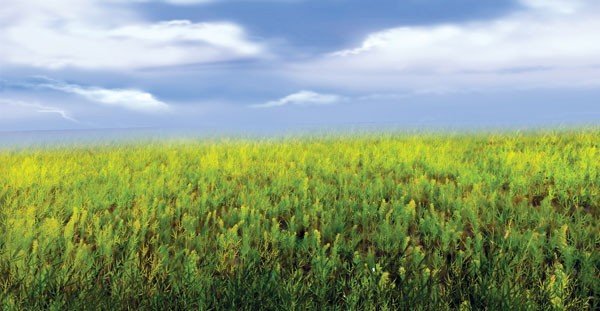
A steppe is a dry and grassy belt of grassland. It is located in temperate climatic regions of the Earth, which lie between the tropics and the polar regions. They are also called mid-latitude grasslands. The two main types of grasses which are found in this area are cropland and pasture. These are short grasses,

Steppe Read More »

Savanna

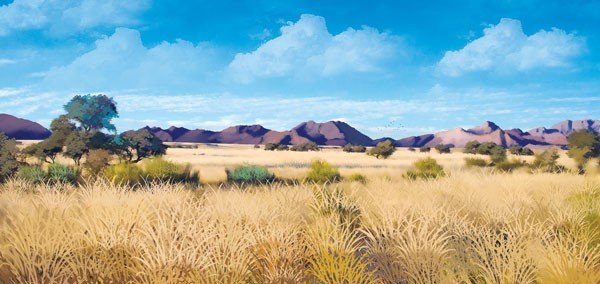
Savanna is a type of flat grassland in tropical and subtropical regions, bordering tropical rainforests. However, certain dry savannas are present on the borders of some deserts as well. These grasslands are generally warm and they have dry climatic conditions. They are characterised by brushy and coarse grasses with a few small or dispersed trees

Savanna Read More »

Grasslands

Grasslands are the open and flat plains on the Earth where grass is the most dominating flora. The grasslands present in the Southern hemisphere get more rainfall than those in the Northern hemisphere. Hence the grass in the Southern hemisphere grows more than 2 metres in height and its roots extend several feet into the

Grasslands Read More »

Valley

A valley is a relatively flat, low land lying between ranges of hills and mountains on the Earth’s surface. Valleys are generally formed by erosion caused by rivers or glaciers. They can be classified on the basis of shape or origin. On the basis of shape, they can be categorised as: V-shape and U-shape. And

Valley Read More »

Types of Glaciers

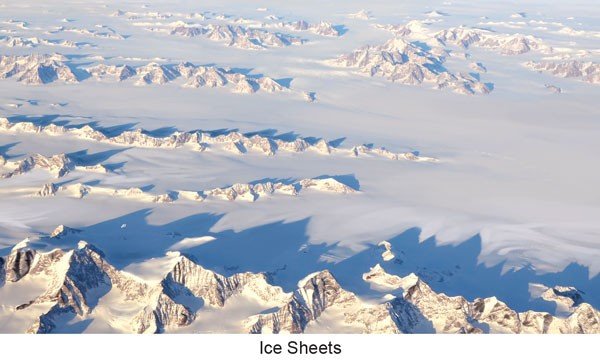
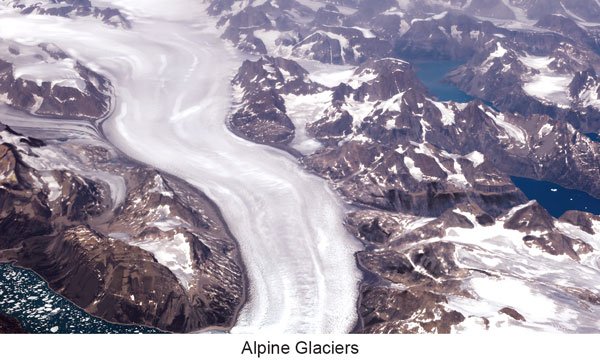
Glaciers are categorised into two groups: alpine glaciers and ice sheets. Alpine glaciers (valley glaciers or mountain glaciers) originate from the mountainsides and move downward towards valleys. The Gorner Glacier in Switzerland and the Furtwangler Glacier in Tanzania are some of the examples of alpine glaciers. Ice sheet glaciers have broad domes and spread out

Types of Glaciers Read More »

Glaciers

Glaciers are large masses of snow. These are formed when snow remains at one location for a very long time and turns into ice. They have ability to move, hence are called ‘rivers of ice’. The term ‘glacier’ originated from the French word glace (glah-SAY), which means ice. At present, they occupy about 10% of

Glaciers Read More »

Fold Mountains

Fold Mountains are the most common type of mountains in the world. They are formed where two or more Earth’s tectonic plates are pushed together. At the region where the collision takes place, the boundaries of the plates are compressed together moving the rocks and debris outwards giving rise to outcropped landform on the surface

Fold Mountains Read More »

Shopping Cart