221 Facts About Earth

221 Facts About Earth221 Facts About Earth tells children about Earth’s beautiful resources, lives, waterfalls, Hills and many interesting and exciting facts.🌎📚
Avalanche

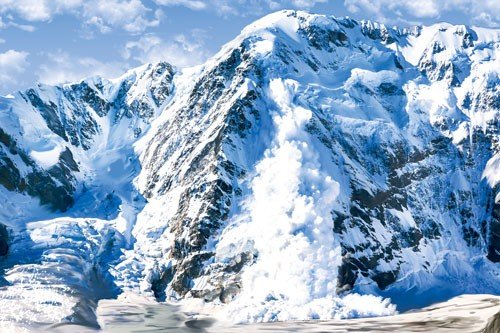
An avalanche is a flow of snow, ice or rock down a mountainside. It is a very sudden event, and can move very fast (about up to 200 km per hour).There are different kinds of avalanches. Some of them are: Rock avalanches: They consist of the movement of large segments of shattered rocks.. Ice avalanches:

Avalanche Read More »

Drought

Drought is a condition that arises due to lack or insufficiency of rain for a long duration. The main causes of drought are: water shortage, stream flow reduction or depletion of groundwater and soil moisture. It is an indirect but gradual hazard occurring in Nature that affects agriculture. It can be categorised into four basic

Drought Read More »

Landslide

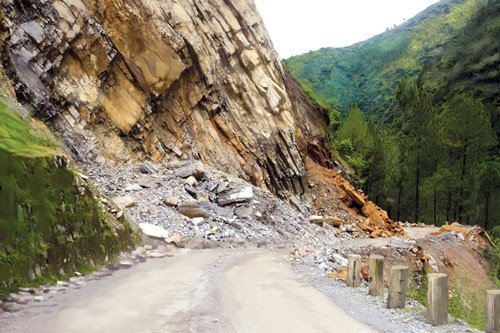
Landslide is the movement of huge mass of rocks, soil and debris down a slope. This movement is driven by gravitational force or a force that causes two or more parts or layers of the Earth’s surface to slide upon in opposite directions. Landslide can occur in two ways: Rapid landslide: This event takes only

Landslide Read More »

Flood

Flood is a condition when overflow of water from a natural water source takes place. For example, overflow of a river in an adjacent plain region during heavy rainfall. When the flood is of high intensity, it causes severe damage. However, at times when the intensity of the flood is low, it can be useful

Flood Read More »

Tsunami

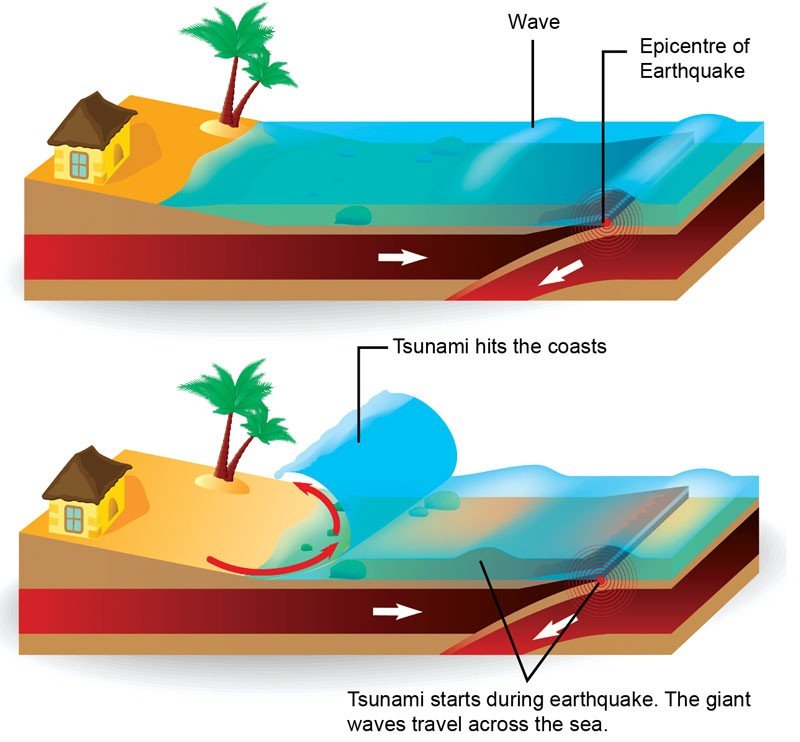
Tsunami means ‘harbour wave’ in Japanese language. This is caused by an underwater earthquake occurring less than 50 km below the seafloor. Tsunami occurs when one tectonic plate slips under another plate. This slip of plates leads to earthquake (Intensity: at least 5.5 on Richter scale). It can also occur due to coastal or underwater

Tsunami Read More »

Volcano

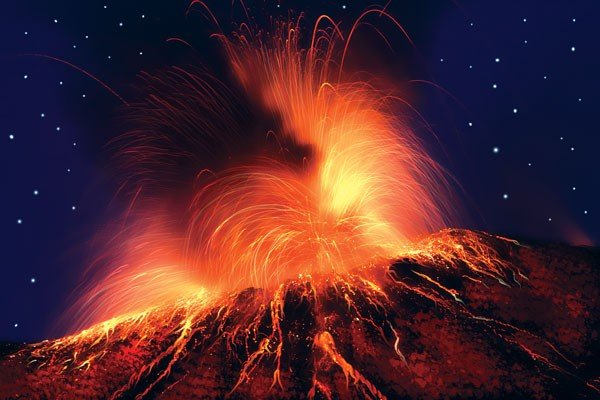
A volcano is an opening on the Earth’s crust from where molten rock, gases and pyroclastic debris erupt. Volcanoes erupt when the plates of the Earth’s surface collide and one plate is pushed beneath another. This collision releases a lot of energy which melts the rocks, and the molten rocks rise and erupt as magma.

Volcano Read More »

Seismic Waves

Seismic waves are the vibrations generated during an earthquake. There are three types of seismic waves: P waves: These waves can travel through both the solid and liquid forms of the material in the Earth’s interior. These waves have the ability to compress and stretch the rocks. S waves: These waves can travel only through

Seismic Waves Read More »

Earthquake

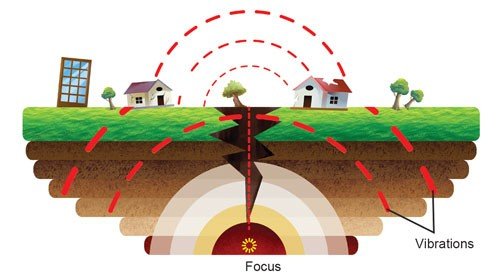
An earthquake is the sudden movement of the Earth’s crust or vibration of Earth’s surface. It starts at a specific point known as the focus and spreads circularly in all directions. These vibrations cause severe damages. The reason behind this unexpected movement is an abrupt release of energy that has travelled through the solid rocks

Earthquake Read More »

Season

Season is a period when the weather condition remains constant with only slight variations. For example, in summer season, the weather remains hot with small variation in day-to-day temperature. In general, there are four seasons: summer, winter, rainy and autumn. Why do we have different seasons? The main reason behind this is: ♦ Revolution of

Season Read More »

Snow

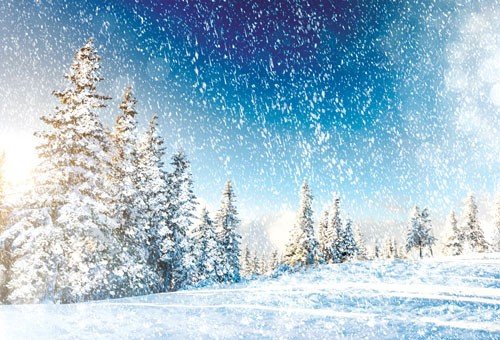
Snow is the solid form of water. It forms when the air is below freezing point and the water vapour present in the air solidifies. The snowflakes formed have very unique shape that is crystalline in nature. This crystalline shape is due to the chemical formulae of water that has two atoms of hydrogen and

Snow Read More »

Rain

Rain means falling of water on the Earth from the clouds. It maintains the continuity of water cycle. It is an important weather component that affects the climate of a place. The region of the Earth that receives rainfall less than 254 mm per year is classified as desert. There are some regions on the

Rain Read More »

Shopping Cart