221 Facts About Earth

221 Facts About Earth221 Facts About Earth tells children about Earth’s beautiful resources, lives, waterfalls, Hills and many interesting and exciting facts.🌎📚

Polar Lands

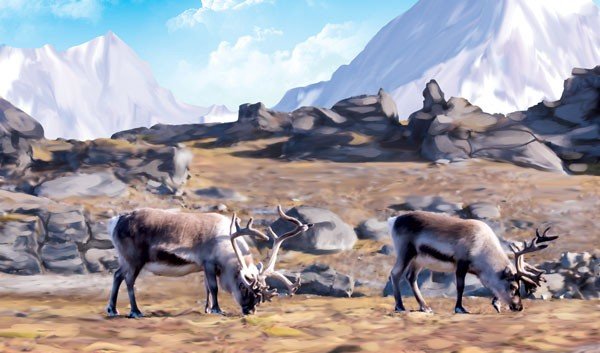
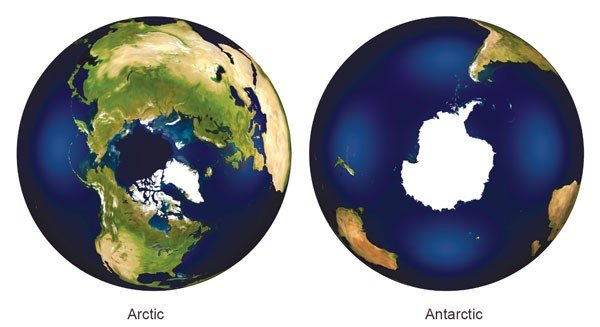
Polar lands are the areas of the Earth that surround the North and the South Pole. These are the frigid zones of the Earth where the temperature remains way below 0°C throughout the year. The polar region surrounding the North Pole is called the Arctic. It includes the Arctic Ocean and northern areas of Europe,

Polar Lands Read More »

Biomes

Biomes are large ecological areas on the Earth, with similar climatic conditions, animals and plant communities. In other words, a biome is a group of several ecosystems present in a particular region. For example, an aquatic biome (water-based biome present in freshwater or sea or ocean) can contain ecosystems such as coral reefs and kelp

Biomes Read More »

Mountains

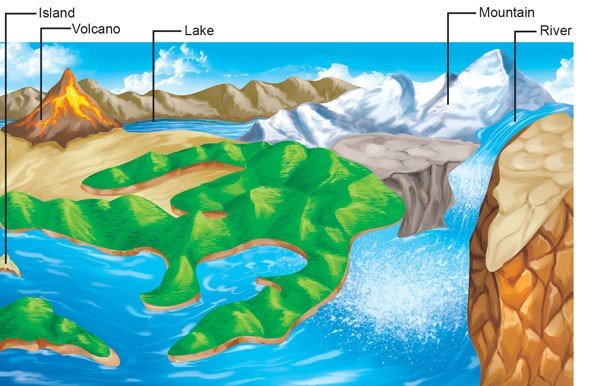
Mountains are the highest landforms on the Earth that rise above the surrounding plain area. Their elevation is at least 300 metres or more above the sea level. They are made from huge rocks and stones. The uppermost projected pointed part is known as a peak or summit. Mountains are generally arranged in a line

Mountains Read More »

Landforms

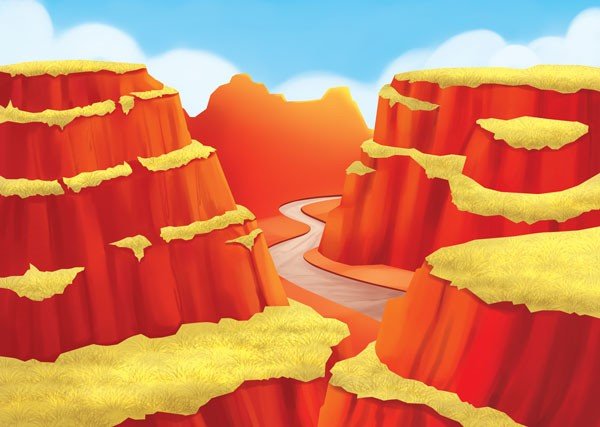
Landform is a geographical feature on the Earth’s surface. There are four major and four minor landforms. Major: mountain, hill, plateau and plain. Minor: butte (single hill), canyon (deep, narrow valley with steep sides), valley (depression in the Earth between hills), and basin (a dip or depression in the surface of the land or ocean

Landforms Read More »

Heat Waves

Heat waves arise when there is an abnormal rise in temperature for a longer duration accompanied with increased level of humidity. These waves are mostly experienced in the months of May-June in the Northern hemisphere. If heat waves continue for a longer duration, they can cause health problems and even death. In the region of

Heat Waves Read More »

Tornadoes

A tornado is a narrow column of high speed air that spins from the cloud towards the ground. It is violent in nature and generally occurs in the spring season. Tornadoes develop before thunderstorm. During a tornado, wind changes its direction at a very high speed. An elevated cone is formed in the atmosphere. The

Tornadoes Read More »

Hurricanes

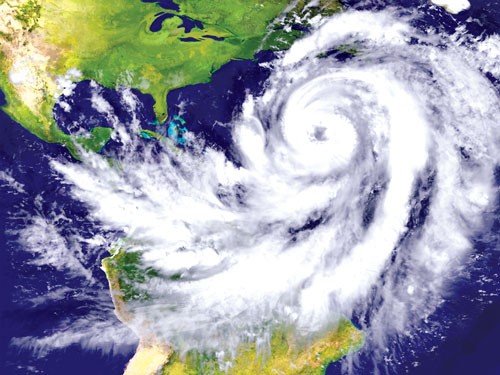
A large rotating storm with high wind speed (at least 119 km per hour) in the tropical regions over warm water is called a hurricane or tropical cyclone. Tropical cyclone is the scientific name of hurricane. The main reason behind the occurrence of this cyclone is replacement of warm air mass by a mass of

Hurricanes Read More »

Shopping Cart