important things to know

Troposphere

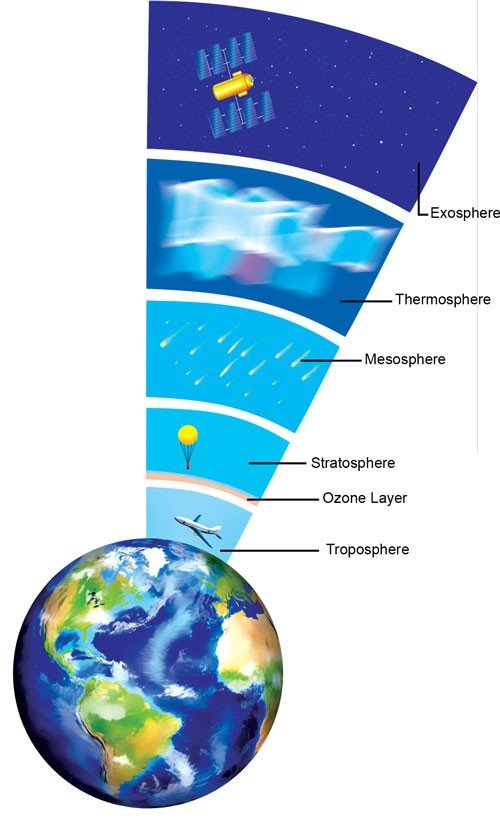
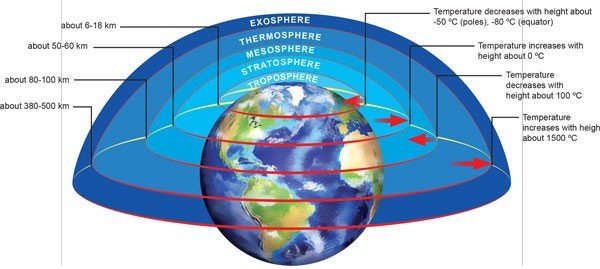
The troposphere is the closest and lowest layer of the Earth’s atmosphere. It is the layer where all weather changes take place and cloud formation occurs. The troposphere lies between the Earth (lithosphere) and the stratosphere (10-18 km above the sea level). This layer makes about 70-80% of the total atmosphere. This layer carries the

Troposphere Read More »

Europe

Europe is the second smallest continent on Earth. Europe and Asia share the same landmass. But because this landmass is so large, geographers have separated this huge landmass into two continents. Surface area: 9,938,000 km2 Location: Northern hemisphere Major countries: Norway, Sweden, Finland, Russia, Germany, Poland, Spain, France, Italy, Turkey, Hungary and BulgariaImportant physical features:

Europe Read More »

South America

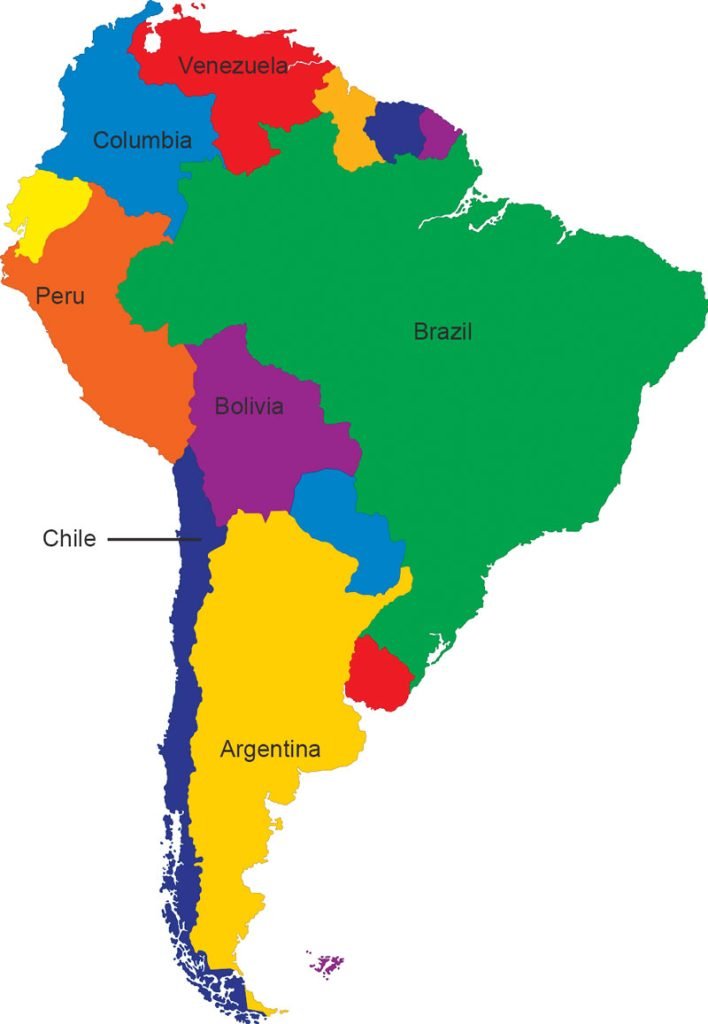
South America is the fourth largest continent on the Earth. It lies between the Atlantic and Pacific Oceans. It has the world’s largest forest area. This continent looks like a triangle on the world map. Surface area: 17,819,000 km2 Location: Western hemisphere, south of Central America Major countries: Argentina, Chile, Columbia, Peru, Bolivia, Brazil and

South America Read More »

Africa

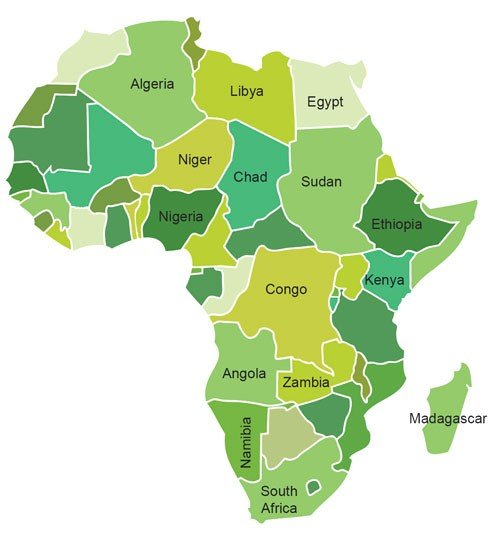
Africa is the second largest continent on the Earth. Africa has a diverse range of mineral resources, including some of the world’s largest reserves of fossil fuels, metallic ores and gems and precious metals. Surface area: 30,365,000 km2 Location: Surrounds the equatorial line and the Eastern hemisphere Major countries: Algeria, Congo, Kenya, Namibia, Sudan and

Africa Read More »

Asia

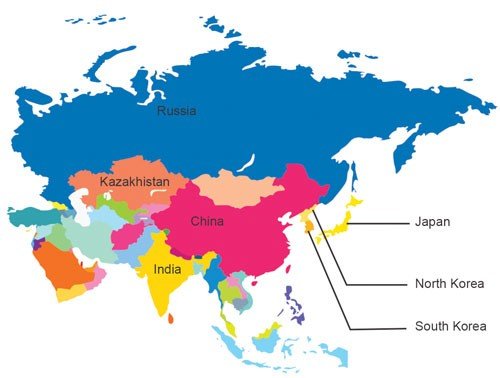
Asia is the largest, most populated and diverse continent on the Earth. It occupies one-third of the land surface of the Earth. Surface area: 44,579,000 km2 Location: Extends in both Northern and Southern hemispheres Major countries: China, Russia, India, Kazakhistan, Korea and Japan Important physical features: ♦ Mount Everest (elevation above sea level 29,035 feet)

Asia Read More »

Continents

Continents are large pieces of land on the Earth that are separated by oceans, seas, rivers and mountains. The formation of continents began in the early Mesozoic era. About 270 million years ago, most of the dry land on the Earth was joined together. It was known as the ‘supercontinent’. The giant ocean surrounding this

Continents Read More »

Shopping Cart