
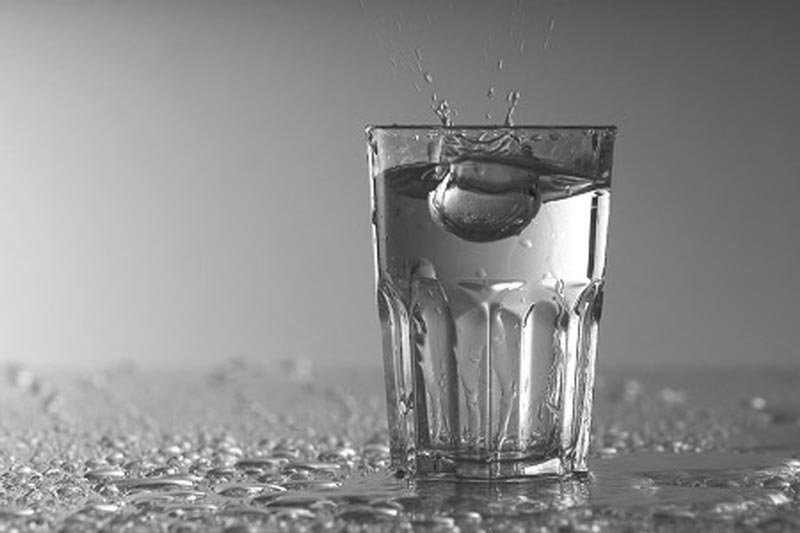
Water is an essential part of life. All plants and animals, including humans, containing a great deal of water. More than two third of the human body is composed of water.
Without water humans, animals and plants cannot survive. People cannot live for more than four days without water. They can stay alive much longer than that without food.
A large part of the earth is covered with water. Indeed, there is much more water than land. More than 70% of the surface of the earth is covered by oceans and seas.
Because water is so common in many parts of the world we often take it for granted. We see it all around us in rivers, streams and lakes. We turn on our kitchen and bathroom taps and water pours out. We assume that there will always be a supply of water available for us to drink and cook and wash with.
Unfortunately, not everyone is so lucky. In many countries such as in east Africa, there is often a drought. This can lead to a famine because crops die without water.
Not all water is safe to drink. Sometimes it contains some form of disease. Sometimes it is been polluted, for example by waste material from factories. Water has often to be treated in some way before it is drinkable. The treatment can be expensive and a lot of poor countries cannot afford it.
It is tragic that so many people in poor countries die for lack of drinkable water. Access to a clean drinkable water supply should be regarded as a basic human right. The richer governments of the world should offer aid to help poorer countries provide a safe water supply.
Vocabulary
Essential—necessary
Assume—consider
Drought—lack of water
Famine—lack of food