
The very first principal of child rearing is compassion for child. An unconditional and unrelenting love. 20th century is remarkable for scientific inventions and discoveries. Sadly, it is equally remarkable for criminal neglect of child care. If we desire to create a live, healthy, capable and cerebral society, we must open up to our children and give them a tender loving care. We must dive deep into child psyche and understand them to help them evolve into productive citizens of tomorrow.
Feelings matter most
For a child, one who is most attached to it, is its deemed father and mother. Just as young ones depend on parents, parents too lean on their offsprings for emotional succour.
To make life a saga of love and celebration, it is imperative that parent-child relationship is based on love and trust. As childhood is confined to a limited circle of relationships, role of parents become stellar in shaping child’s intellect and overall personality.
All are born great
Speaking truth, respect for elders, being polite, kind, considerate, loving and graceful are inborn traits in all new born. They persist with them unless forced otherwise by taunt or terror. Keep their behaviour in check, but politely. If children are taught to nurse the sick, love destitute and help paupers, they all can make their lives sublime.
—Chatursen Shashtri
Famed Psychologist Gardner, on basis of his extensive studies, surmised that children deprived of parental love in their early life, become subdued in demeanour. So much so that they don’t even respond to an inviting smile.
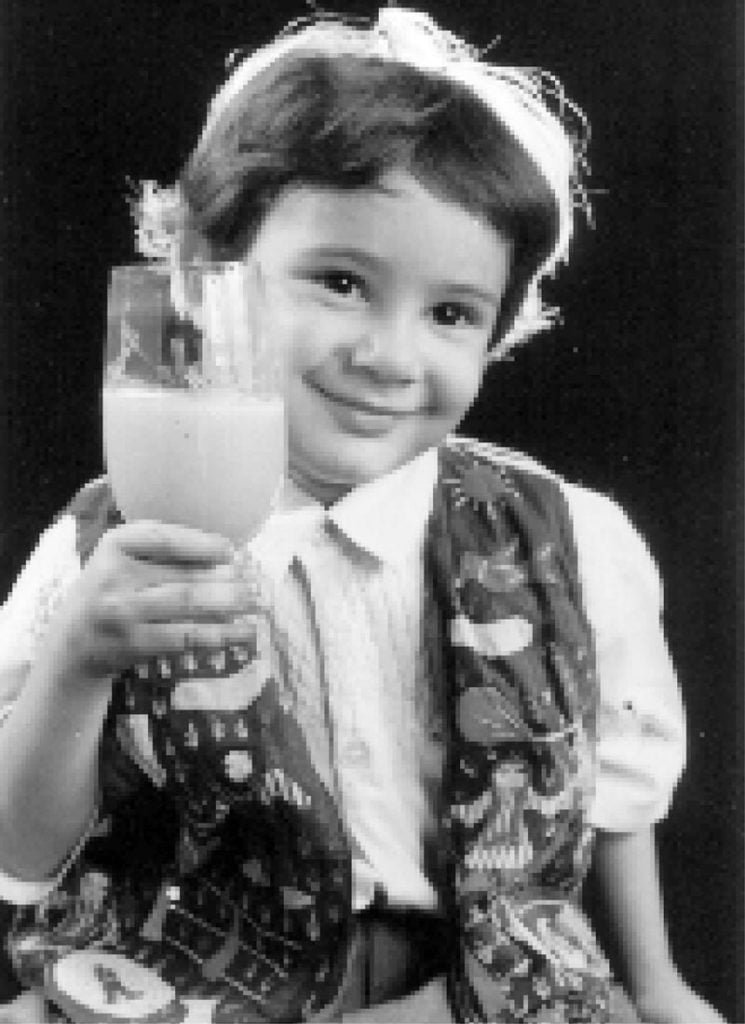
Every child needs emotional security, parental prop. Upto 3 years of age a child is keen observer of all that its father and mother perform. Those who get emotional cushion—develop into balanced and productive individuals. Such children add to the beauty and benedictions of this world. All thanks to lasting sense of security which they get from the caring guardians. In big sized families where number of children is considerable, all youngsters may not get care and attention they deserve. Worse still, some may get an excessive dose of love, especially mother’s. This too, stunts child growth. Indeed outlook and approach of parents impact children profoundly.
Child psychologist Gopalji Mishra avers that some parents are high handed and believe in punishing their wards for no fault. While others believe in dialogue and in giving liberty to their children. They are kind to their wards and seldom take recourse to punitive measures. There is yet another category of parents who believe in giving absolute freedom to their wards to keep them happy. They tend to believe that a liberated child if errs, will suffer, and consequent upon suffering, it will reform itself (by hit and trial).
Henry too concluded that highly educated parents subscribe to hit and trial way of child’s upbringing. Indeed as a child transits ahead of childhood, it revels in greater freedom and confidence. This, naturally brings a positive change in child-parent relationship as well.
Ignoring a child is criminal
Eminent thinker Harlak said that parents don’t take kindly to the idea of their child being excessively dependent on them. This, in effect, saps their emotional bonding. This loss goes a step further when a second child arrives in family and draws to it a major part of filial attention. The elder child, naturally, feels pinch of it and distances all the more from parents. Albeit, it may still be close to one of the parents, with whom it shares a better rapport. While with the other parent its relations remain pedestrian.
Vhildhood is blue print of human relations
Seeds of child-parent relationship are sown in early childhood. As child grows in years it passes through myriad changes. Rebellion, obstinacy, bellingence and attention pandering being some of them. Just as a child shows acumen for independence, parents tend to get complacent. This is another matter though, that child still deserves parental care.
Child psychology testifies to it that children amiable with their parents tend to jell well with rest of the people for rest of their lives. On the other hand if parent-child relationship is acrimonious, such child tends to be a misfit in life. Reeze in one of his studies found that if a mother tends to dominate over her child, their relationship remains strained. Not only that, the child may develop a disliking for women at large. Many a mentally challenged people, who are cruel to women, come from a childhood besmirched by a dominating mother.
A democratic interface in family, on the other hand, produces individuals with creative streak and leadership qualities. Unfortunately many a parents routinely find fault with their children and meddle in their affairs for no rhyme or reason.
Families that are hostile to youngsters, are veritable training grounds of violent behaviour. On the flip side if children are motivated to be righteous, and praised for delivering goods, they earn a good name for their selves and family. Indeed if we remain alive to children’s psyche, and treat them affectionately, we can make them ideal citizens of our country.
Let children express joi-de-vivre
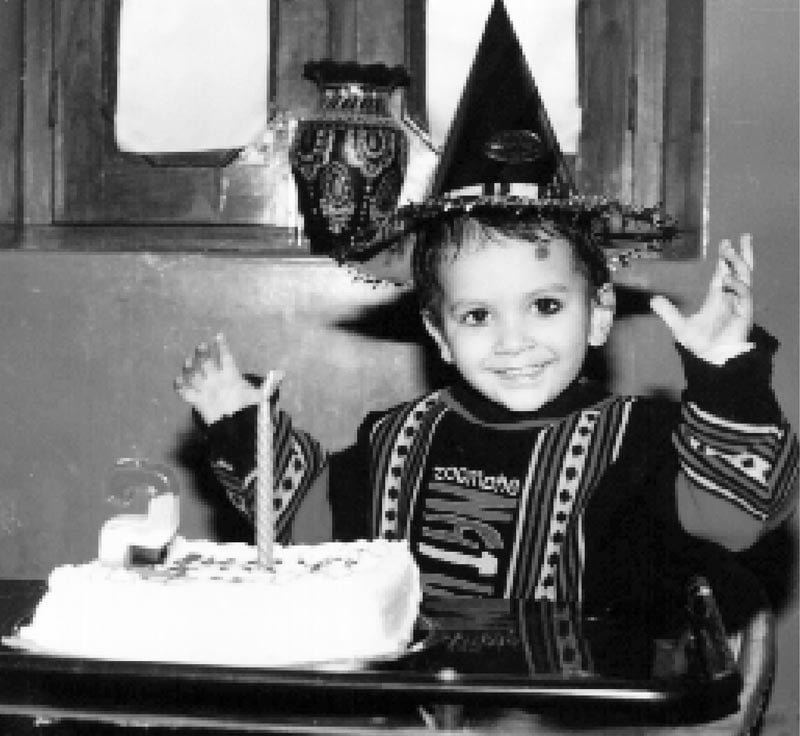
My nephew Tony was in upbeat mood receiving guests on occasion of his 6th birthday. Indeed he had waited for the celebrations since past several days. As visitors poured in, Tony welcomed them, greeting them with folded hands. But all the same child’s furtive eyes were searching for something. People came in, gave him cash envelops, and chanted, ‘Happy birthday Tony.’
The number of gift envelops increased as time passed by, but Tony seemed restless. By the time party was over, Tony looked down and out. When his parents sat counting cash collections, he couldn’t hold it any longer. ‘‘Uncle!,’’ he cribbed, ‘‘Why do they give money on birthday. Can’t they buy some gift instead?
I could sense his anguish but could do little apart from cajoling him. And Tony isn’t alone in his predicament. Trend of sealed envelops as gifts has marred excitement in life of many a children. Emotional attachment, it seems, has taken back seat in today’s materialistic world propped by western culture.
Toddlers in lower age groups may have it all the more irksome. Guests care two hoots how the little one feels. They appear too busy retiring their formal obligations than feel one with the child. We tend to believe that deciding on a gift item is waste of time and that a couple of currency notes in a packet would serve purpose. But stop for a moment and think. Will it be as thrilling for the child as gifting him a toy of his liking? Probably not.
Some people argue that gifts being fairly expensive, giving out a token cash is more convenient. But fact of the matter is that we can, with little imagination, decide on a gift which is attractive as well as within our budget.
A girl of seven when asked what her favourite gift could be, said; ‘Bangles, hair band and games.’ Obviously none of those is expensive. Whenever invited to a birthday party, we must do our bit to add to the thrill of occasion. Gift chosen by us can make a difference. The best of endowment is one that exults a child. Children upto three years old have a liking for toys. Key driven toys, plastic sets, cubes, animals, fruits, flower, colour picture books and posters are items that are very close to children’s heart.
Remember
❑ If parents’ own behaviour towards their ward is righteous, wholesome, and seemly, and driven by purity, honestly, empathy, compassion and forbearance; then these very qualities become integral to child’s behaviour as well.
❑ Those parents who are amiable and adjustable in nature—their children too adjust well in life.
❑ Beyond a reasonable limit, children shouldn’t be goaded to perform because if children fail to meet parental expectations they develop inferiority complex.
❑ Job and career profile of parents has significant impact on child psychology. Guardians indulging in questionable means of livelihood can scare earn respect from youngsters.
❑ O The Angels of dusk!
Walk slow.
For children have made
Mud houses on the way.