
As compared to middle class, children from upper class have more of generosity, courtesy, adaptability, imagination and drive. Talented children exhibit a greater level of self confidence as compared to not-so-talented ones. Also, former are seen to be more hard working and jestful than the latter. Parents should therefore hunt out for their children’s talents, provide suitable environment to nurture them, and thus help them achieve success and prosperity in life.
Encourage children to hone their favourite skills
A cursory look at our house and family is enough to reveal that some children are strikingly different from rest of the lot. Though plain and simple looking, their aura is impressive. This is precisely because of their talents—overt or covert. People of substance are admired even by their enemies. Many a children whose potential abilities could enrich and enhance the repertoire of human achievements, are left out to waste and wither away for want of help and encouragement. Children’s innate abilities need to be recognised and upped.
Children with remarkable traits are generally graded as above-average. IQ of this group is considered top- notch. Children of this category can be seen in all sections of society, nation and demographic zones. They are found in all types of societal and economic environments.
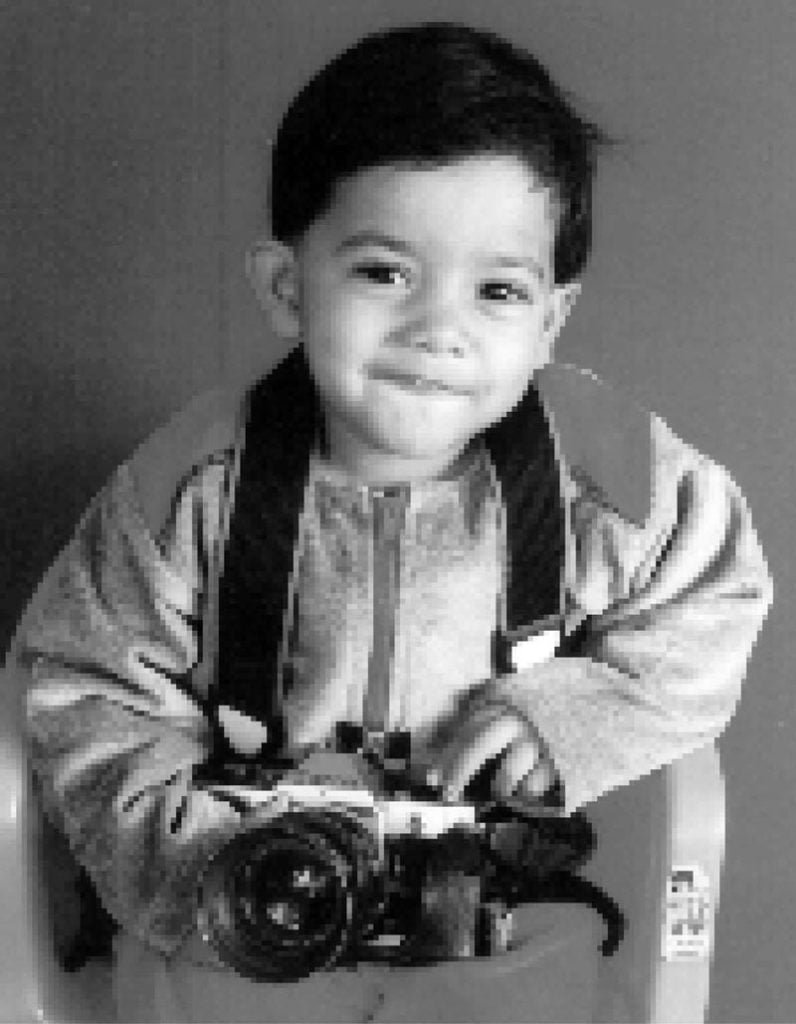
Touch stone of talent
By talent I understand that spark of awareness by which novel ideas and innovations happen in the field of Art, Science and such like other fields. It is different from receiving and possessing which are mere instruments for pooling knowledge gathered from here and there.
—Acharya Ram Chandra Shukla
Talented youngsters are vital assets for any country, community, or household. Though ubiquitous, gifted children are more commonly seen in elite circles.
According to child psychologist Dr. Gopalji Mishra, studies testify that boys are more likely to have superior faculty than girls. However survey conducted on a Negro community revealed just the opposite. There, girls were found to be more talented than boys.
Regarding correlation between talent and host family or community, observations made by Terman are notable. According to him children from highly educated families and big business houses are more gifted than those from bourgeois.
Children one-up on calibre are one-up in health and physical fitness too. These children, says Kar Michel, have best of physical traits. They are also ahead in studies, like being regular to school, and do their home work daily. No wonder, Willy observed that their performance in school was top notch. These youngsters like to study formidable subjects and execute their assignments most meticulously.
Cultural and spiritual heritage
Our scriptures ordain that what we possess and exhibit—is our religion. Our possession can be of any manner, but what makes the core of religion is our thought and conduct, will power and spiritual forte. And these come to us through our cultural and spiritual heritage. Rooting in culture begins right at the time of birth, and by the time you are adult its impression on you is deep and paramount.
Time of birth, here, connotes union of male and female elements which trigger formation of new life in mother’s womb. Foundation of culture, thus, goes far back into prenatal life. By extension of some logic, a three year old child has all good and bad habits of his parents, lying dormant. It is with this package of inheritance that the child steps into student life. And just then begins his formal interface with home and outside environment. From 5 to 15 years of age is high time for teachers and guardians to protect young ones from evil influences of environment. This period also decides manner of child’s life style. On a positive note it churns out hard working individuals flush with determination and will power.
It is this clan of youngsters that make a Swami Vivekanand, Mahatma Gandhi, Subhash Chandra Bose, Jawahar Lal Nehru and such like icons of human kind.
Child psychologist Halingworth avers that talented kids remain winners in academic activities as also in cocurricular pursuits like music, drama, painting, dance oratory etc. They are forever eager to show mettle in diverse fields of endeavours.
Gifted kids have a liking for sports too. According to Willi, even as average and above-average children, both of them, play in a similar manner, there is a subtle difference. On closer examination it becomes clear that above-average ones play with greater warmth, agility and dexterity. Their performance as compared to ‘average’ is much better and praiseworthy. In such games as are more cerebral, talented children score over others.
According to Gopalji Mishra, children better disposed have a flair for exchange of views. Their analytical skills help them reach apt and logical conclusions. They scarce believe in superstitions and are most favourably inclined towards their parents and guardians. Their reverence for seats of power and administration is most sanguine.
Child-prodigies are more generous, cooperative, imaginative and practical as compared to conventional kids. They are honest, straight forward, and born leaders with insatiable urge for intellectual pursuit. Nevertheless, these children, may as well keep their parents, guardians and teachers on tenterhooks.
The flip side, according to Dr. Gopalji Mishra, comes calling when these youngsters are denied freedom of cerebral expression. When tied down—they revolt, and create problems for their teacher and guardians. Calling them ‘book-worm’, and such like nick names, may render them misfit with their peers and environment.
Remember
❑ Children with exceptional abilities need special care. Their curiosity being top level, they are forever imploring and questioning. Scolding or snubbing them is perilous for them.
❑ Some parents, enamoured by seeing superiority of children next door, tend to underestimate their own little ones. Such comparisons are odious and harmful.
❑ Talented children tend to make fewer friends. They are more comfortable interacting with their seniors than their age-group. Guardians shouldn’t view this as abnormal behaviour.