
For guardians, getting their children admitted to school is a hard job. A look at long queues and melee outside the windows of nursery, primary, and public schools is enough to testify to this. Indeed child’s enrolment in school clearing strict regulations is a feat in itself, but no reason for guardians to relax. Infact their cardinal role begins just then.
Admission in school—a test of nerves
Home and school both are significant contributors to infant growth. You may divide someone’s time into manageable units, but not his/her personality. Even as home comes automatically as gift from guardians, school doesn’t. It has to be chosen, selected, and travelled to. Any lapse on this count tells on child’s future. No wonder admission to school is examinations for parents.
Eligibility for school, for any child, entails some fundamental awareness even as different academies have different assessment norms.
To begin with, children should be taught to be ready with platitudes like please, sorry, thank you, good day and fine-thank you; and use them appropriately. They should know how to speak and write alphabets from A to Z. Equally important is their dexterity with numbers, at least upto half a hundred. They should also be easy with popular rhymes like Jack and Jill, Twinkle Twinkle and Humpty Dumpty.
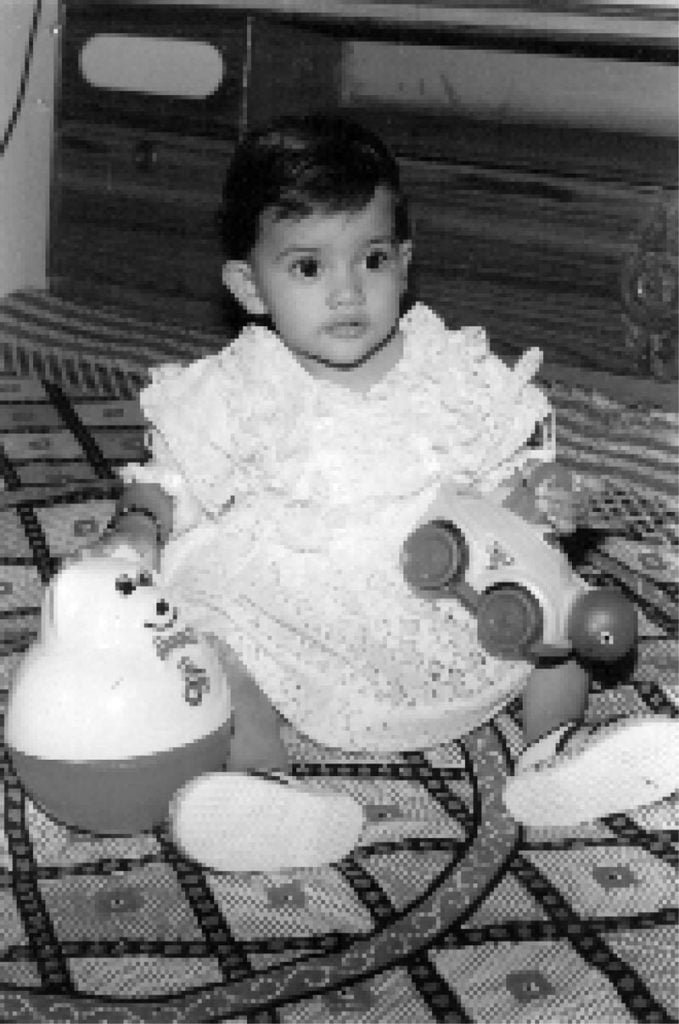
Tomatoes are red, bringals violet and grapes green—and such like awareness is expected of kinder garten kids. Many a schools expose tiny tots to teasers, teasers, puzzles and block formations to test their wit and creativity. Various indoor games and play gadgets may be used to screen child’s intelligence. Thus there are different yardsticks for different academic standards to scrutinize admission seekers.
Aims and objectives of education
Education is a mere tool. If not backed by truth, grit and composure, it proves unfructous—even unfriendly. Aim of education is not to earn wealth but to be good to society and nation. Otherwise, all money spent on education is a waste.
—Mahatma Gandhi
Children who fail in such screening are generally denied admission to school. Albeit, some wriggle out by way of money power (donation) and persuasion. Yet parents who prepare their kids at home face no difficulty in process of admission.
A child can learn these tit bits playfully at home.
School going seniors can help juniors in preparing for admission tests. They can also kindle in them interest and curiosity for academic life. This helps beginners to learn fast and adjust to academic environs.
By November each year, most schools float registration and enrolment forms. These must be filled up properly and submitted within the stipulated date and time. These entries are perused and eligible candidates are short listed. These candidates, which number a few hundred from whole lot of thousands of entries, are then tested for their knowledge and perception. The kind of questions asked of them include:
‘Which toy or animal are you afraid of?’
‘Whom do you like better, your father, or mother?’
‘What kind of toys appeal to you?’
Parents should be ready, as also their ward, to answer questions of such nature. Further on, parents are queried regarding their educational status, annual income, size of family, business, career, and whether they can bear educational expenses mandated by school administration.
Reminiscing on their son’s admission ordeal, Saurabh and Deepti said: When we went for Prabhu’s admission, first poser put to us was—‘How much time do you spend with your child?’ And further on, ‘Does the child stay with a maid servant, a butler, or a relative?’ If the answer to second question is ‘Yes’, it may be a pointer to your not being ‘A’ grade parents. ‘A’ grade refers to ideal parents.
Many institutions employ novel methods of diving deep into child psychology for an astute appraisal. Some distribute hand outs of questionnaires for guardian response. Inquest veers around child’s activities in daily routine, like, the time of getting up early in the morning, reason for choosing host institution for child’s education, what would be your reaction if child panics in interview, which one of you (father or mother) tells bed time story when child goes to sleep, etc.
Parent-teacher meet
There must be a right degree of coordination between school and home for a balanced development of child’s personality. This is best done through aegis of parent-teacher meeting. Such meetings, started as part of ongoing reforms in main stream education, proved to be highly successful at many places. Guardian-teacher interface solved many a ticklish problems with surprising ease.
It’s clear as day light that child carries a bit of home to school premises and brings back a bit of school to the household. Hence holistic growth of child mandates rapport between these esteemed places. Some parents take exception to their meetings with school staff. Such platforms, they aver, are used by teachers to find fault in their wards and humiliate them. Some mothers retort that as they pay hefty school fees, onus of reforming children should lie squarely with the teaching staff. Such attitude, needless to say, kills the very spirit of teacher-guardian dialogue.
To make such meeting successful, teachers and parents must prepare for it in advance. Home and school, both fronts need thorough appraisal. But of the two, home front is more important. Reason is simple. Whereas parents are answerable for their own ward, teachers are accountable for all pupils studying in their respective classes/sections. It would be demanding too much of them to shift their focus on a particular student. No doubt, bright students remain closer to a teacher’s heart than rest of the lot, and this can’t be rated as bias. Yet, parents-teachers meet levels it best. It takes stock of student welfare measures, and hence, is a continuous and never ending process. Guardians should participate in these meetings with gusto. They must constantly quiz their kids what they like and dislike about their school. They should also remain in touch with their academic and cocurricular activities.
‘Doors fling open
As children pick their school bags
Elders give water to trees
And current news is here to read
As newspaper drops
In neighbourhood lane.’
A little of caution, understanding with teachers, and confidence in your child’s ability—is all that is required to make best use of parents-teachers meetings.
Remember
❑ Whether at home or at school, never revile teachers in front of your children. Respect for teachers comes before formal education. Hence it is said :
‘If teacher and Almighty stand together,
Whom should I respect first
Indeed, my teacher
Who teaches me
The way to God.’
❑ Have full information regarding antecedents of friends and colleagues of your wards.
❑ Don’t attend parents-teachers meeting just for passing time or creating a scene. Go prepared to see your child’s blemish. Don’t loose your cool on teacher’s remarks but contemplate how best you can use them to better your child.
❑ Most of all, don’t forget to thank faculty that is teaching your children best.
❑ “When touched
Forehead was warm
Seems
My little one played in sun
All day long.”