
Rest and relaxation, though simple sounding, are crucial in mad rush of the present day living. Take away ‘repose’ from life’s mundane activities, and you end up with a shattered bundle of flesh and bones after a hard day’s work. If you drag on your mind and body without giving them proper rest, your efficiency and productivity plummets to zero level.
What is relaxation
For mental and physical poise, recharging of spent energies, sustenance of health and work efficiency; rest is a cardinal requirement. When you lie down on your bed physically exhausted and mentally drained out, you are in a state of relaxation. And rest is complete only you sleep soundly. Significantly, it is subdued rate of breathing that trips a man into sleep bliss. This is facilitated by rhythmic activity of lungs and the rib cage.
The reverse happens in the process of awakening. The rate of respiration goes up flooding your body with excess of oxygen which reaches brain and rings wake-up alarm.
Importance of Rest
Carrying out daily chores of life saps your energy and puts you under pressure physically as well as mentally. Hence unwinding from tension is vital to life. That bids well for memory too. For what you do with a cool and stable mind, lingers in memory for long. So, learning art of relaxation, though tedious, is worth going for. We should know how to say a proactive ‘No’ to work, and get rid of worries. Some techniques of quality relaxation to help you recharge your spent energies are given here below :
❑ As hurry and worry tax your energy and enthusiasm, make sure you relax at work at suitable intervals.
❑ Haste makes waste. Those who take their work easy, outperform those who huff and puff. Also, the cool heads tire out less frequently as compared to those with volatile temper.
❑ Between your working hours, have brief periods of rest to recharge your energies and gather your nerves. This will keep you in fine fettle during working hours.
❑ Break at work gives you an astonishing surge of competence and courage, and you return to work in high spirits.
❑ Relaxation is balm for frayed nerves and sore muscles.
It is pertinent to point out here, that carbon dioxide gas is one element which takes a man to brink of stupor—and ‘sleep’ thereafter. When level of CO2 in body goes up, it relaxes muscles and lowers mental acuity making you feel heavy in head and droopy in eyes. You are sort of inebriated by sleep and would like to stretch out on bed and snooze.
That, incidently, is the time to hang your shoes and enjoy fulsome sleep. Make full use of such drowsy moments, as they take you to the realm of absolute physical and mental rest.
If, for some reason, you don’t fall asleep but remain on brink, accumulated carbon dioxide may be driven out of lungs by yawning and stretching, and you get back to wakeful mode with the level of oxygen upping suddenly.
Rest and Sleep
Two faces of same coin, rest and sleep have a thin line of separation. In sleep a man is totally unaware of his surroundings. But while taking rest, he recharges his lost energies in stupor as well as in benign wakefulness.
Stages of sleep
Generally, a stretch of good sleep has three distinct stages. One—wakefulness. Two—dream stage. Three—deep sleep.
When you lie down idly on bed you are awake (1st stage). When you are dreaming in sleep—that’s the 2nd stage. And when you sleep like log, in total oblivion; that is the 3rd stage of deep sleep.
Importance of sleep
For you to be smart and upright physically and mentally, sleep is indispensable. In deep sleep mind and body are rested and recharged for the day’s work ahead.
A good night’s sleep ensures healthy and disease free existence as also a feeling of euphoria and well being. Lack of sleep on the physical and mental hand breeds lethargy, weakness, lack of application, headache and a host of physical and mental ailments.
Just how much sleep is enough?
The extent of good sleep required by a person is decided by multiplicity of factors like age, status of health, and amount of manual and intellectual labour put in. Those who are engaged in hard manual labour need 8-10 hours of sleep a day. For those in white collar jobs, doing lesser amount of physical labour, 5-7 hours of sleep time is sufficient. An average person, generally speaking, does well on 7 hours of daily sleep. Infants and youngster though must sleep for larger stretches of time.
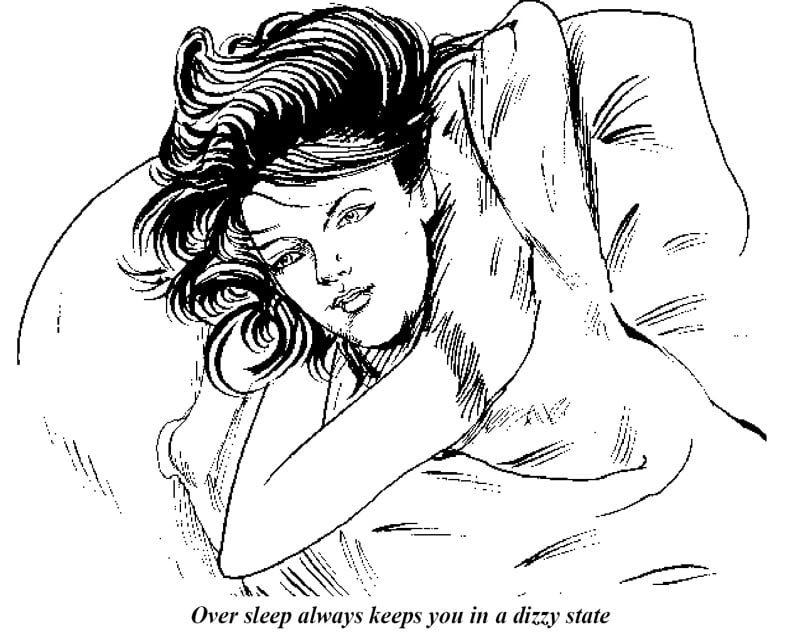
Yet, by and large, sleeping too much is as undersirable as too little of it. Wisdom lies in being prudent about your sleeping, as well as your waking hours.
Sleeping more than required makes a person lethargic. Lack of sleep on the other hand upsets mental equipoise. The acid test of good and adequate sleep is just this that upon waking up you feel fresh and upbeat—not down and out.
How to sleep well
Present day era is a flux of radical changes all around. No wonder, even routine living and thought process of man has undergone a substantive change. Thanks to television sets invading every household, late nights have become the order of the day. So also, as natural corollary, the habit of getting up late in the morning. This is indeed unfortunate. Popular wisdom holds that: Early to bed and early to rise, is the way to be happy, healthy, and wise. Accordingly we need to move a bit against the grain and ensure that we sleep timely and rise up very early in the morning.
For a consummating sleep, it is important that you reach out for your bed only when you are drooping drowsy. Following titbits can help you a great deal in getting a sound and refreshing sleep.
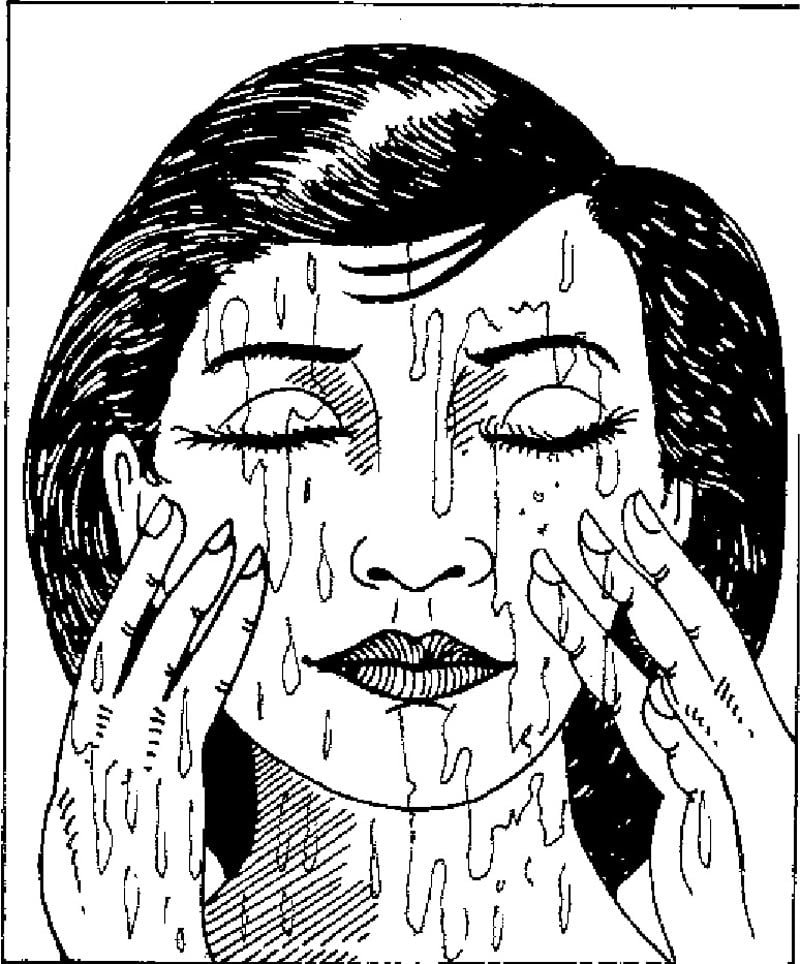
❑ Room where you sleep should be secluded, airy and cut off from bright light.
❑ Before going to sleep, avoid high pitch music, mind boggling movies, and such like programmes. For these trigger negative emotions of fear, worry and mental tension, which disturb sleep.
❑ Make sure you wear loose fitting clothes while readying to sleep.
❑ Fix your sleeping and waking time, and make sure you stick to this schedule.